Descending Eagle Design: Apparel Embroidery Review
As an embroidery designer constantly curating collections for boutique apparel, I approach every new machine embroidery design with a critical eye. When sourcing files on Creative Fabrica for upcoming sweatshirt and hoodie drops, the balance between visual impact and stitch integrity is paramount. The Descending Eagle Design immediately caught my attention as a potential centerpiece for a nature-inspired capsule collection. This review breaks down how this specific bird motif translates from a digital file to a tangible, high-quality garment, focusing on practical application for small shop owners and commercial embroiderers.
Visual Personality and Stitching Mood
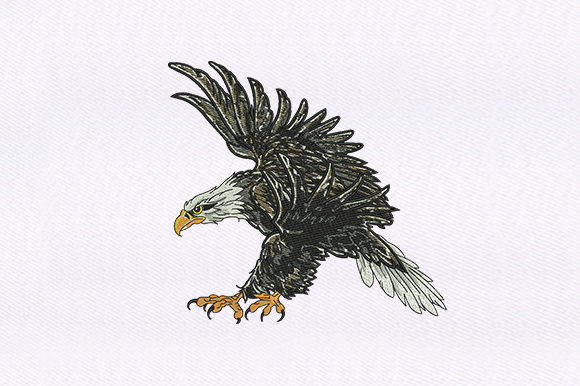
The first impression of the Descending Eagle Design is one of dynamic movement rather than static portraiture. In the world of custom apparel, eagle motifs can sometimes lean too heavily into aggressive or overly traditional aesthetics. However, this design captures a sense of grace and descent that feels more aligned with modern lifestyle branding. The artwork suggests a premium, rustic elegance that would pair exceptionally well with neutral-toned sweatshirts, oatmeal-colored hoodies, and vintage-wash denim jackets.
For a boutique brand, the mood of this design strikes a versatile chord. It possesses enough detail to stand alone as a back piece on an oversized fleece, yet the silhouette remains clean enough to avoid looking cluttered on smaller garments. The artistic interpretation leans toward classic Americana but retains a softness that appeals to buyers looking for cozy, seasonal outfits rather than rigid uniform-style gear. As an Etsy seller, this visual flexibility is crucial; it allows you to market the same base design across multiple product categories without it feeling repetitive.
Performance Across Garment Types
When planning a production run, versatility reduces overhead. I evaluated the Descending Eagle Design against several key apparel staples common in handmade businesses:
- Sweatshirt Embroidery: On standard cotton-polyester blend sweatshirts, the design’s flow complements the relaxed drape of the fabric. The descending angle naturally follows the contour of the chest or upper back, making it ideal for center-chest placement or yoke detailing.
- Hoodie Design: Hoodies present unique challenges due to seams and bulk. This design works best when placed below the kangaroo pocket or centered on the back. Avoid placing it directly over the hood seam to prevent registration issues during hooping.
- Tote Bags and Accessories: The bold lines of the eagle translate beautifully to canvas tote bags. Unlike intricate floral designs that may get lost on textured canvas, this bird motif maintains readability and structural integrity on heavier fabrics.
- Denim Jackets: For a trendy, layered look, this design serves as an excellent back panel graphic. The contrast of light thread against dark indigo denim highlights the stitch definition, elevating the perceived value of the finished product.
Navigating Fabric Texture and Stabilizer Choices
A beautiful digital embroidery file is only as good as its execution on fabric. Birds and wildlife designs often contain variable stitch densities that require careful stabilization. When working with the Descending Eagle Design on stretchy knits like French terry or ribbed cuffs, testing is non-negotiable. Fleece and sweatshirt materials tend to swallow stitches, so using a cut-away stabilizer with a water-soluble topping is essential to keep the details crisp and prevent the design from sinking into the pile.
I recommend paying close attention to the stitch density in the wing and talon areas. If you are adapting this for lightweight t-shirts, you may need to reduce density slightly to prevent puckering or fabric distortion. Conversely, on heavy outerwear, ensure your needle size matches the thread weight to avoid skipped stitches. Always confirm the specific hoop size requirements listed in the Creative Fabrica product details before purchasing, as resizing complex bird designs can sometimes alter stitch angles or cause jump stitch issues.
Strategic Placement for Professional Results
Placement dictates whether a garment looks homemade or professionally manufactured. For the Descending Eagle Design, consider the following positioning strategies to maximize buyer trust and product recognition:
- Left Chest vs. Center: While left chest placements are standard, the descending motion of this eagle suggests a center alignment might be more visually balanced. Test both options on scrap fabric to see which better suits your brand identity.
- Sleeve Accents: If the design includes separable elements or if you have digitizing capabilities, smaller components could work as sleeve accents. However, always verify that the main file supports such modifications without compromising the original art.
- Curved Surfaces: Be cautious when embroidering near side seams or curved hems. The tension required for this design type needs a flat, stable surface. Distorted placement on curved areas can make even a perfect embroidery file look amateurish.
Commercial Value and Brand Identity
For creative entrepreneurs, every design choice impacts brand perception. The Descending Eagle Design offers a strong anchor for building a cohesive collection. Its aesthetic bridges the gap between outdoor adventure wear and comfortable loungewear, allowing small shop products to appeal to a broader demographic. When creating printable mockups or lifestyle photography for social media, the distinct shape of the eagle photographs clearly even at thumbnail sizes, which is vital for mobile shoppers browsing Etsy or Instagram.
Furthermore, offering commercial embroidery products requires confidence in licensing and quality. Before listing finished apparel, thoroughly review the Creative Fabrica license terms associated with this file. Ensuring you have the right to sell physical embroidered goods protects your business and builds long-term sustainability. A professional presentation—consistent thread colors, proper stabilization, and intentional placement—signals to customers that your handmade product is worth the investment.
Essential Pre-Production Checklist
Before committing the Descending Eagle Design to a full production run, complete this practical checklist to safeguard your materials and reputation:
- Verify File Compatibility: Confirm that your machine reads one of the included formats (PES, DST, JEF, VP3, etc.) and that the file transfers correctly without corruption.
- Test on Scrap Fabric: Never stitch a new design directly onto a sellable garment. Use a scrap piece of the exact fabric and stabilizer combination planned for production.
- Check Thread Contrast: View the design under natural and artificial lighting. Some thread colors that look vibrant on screen may appear dull against certain fabric backgrounds.
- Inspect Stitch Count: Ensure the stitch count aligns with your pricing model. High-count designs take longer to run and consume more thread, affecting profit margins on custom apparel.
- Review License Details: Double-check if the license permits mass production or limits the number of units sold. Compliance is key for ethical digital sellers.
The Descending Eagle Design represents a solid opportunity for apparel decorators seeking a versatile, nature-themed motif. By respecting the technical demands of sweatshirt embroidery and leveraging the design’s inherent visual strength, you can create boutique pieces that resonate with customers and elevate your shop’s aesthetic. Whether you are crafting a single statement hoodie or a full seasonal line, this design provides the artistic foundation necessary for professional, profitable embroidery work.