Snowman Scottie: A Designer’s Stitch-Out Review
When evaluating a new machine embroidery design for the winter season, I look beyond the digital preview. As a designer and product reviewer, my primary concern is always how the artwork translates from screen to fabric. The Snowman Scottie design immediately catches the eye with its nostalgic charm, but the true test lies in its stitch-out performance and versatility for real-world projects. After analyzing this design, I see it as a strong contender for holiday collections, provided you understand its structural nuances and best applications.
First Impressions and Visual Character
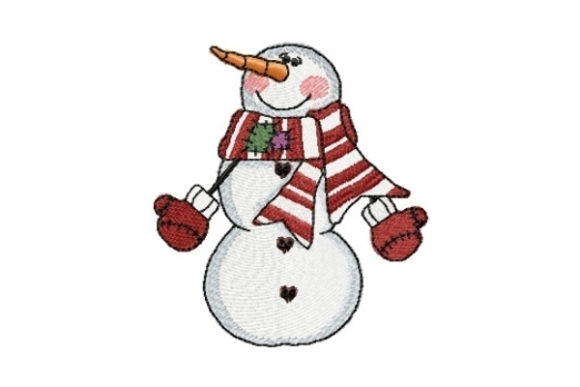
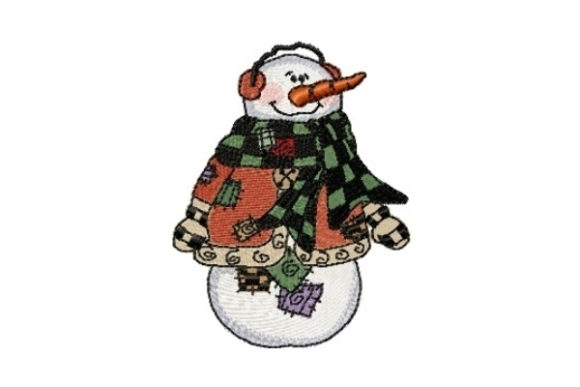
The Snowman Scottie carries a distinct vintage personality that separates it from generic clip-art style holiday embroidery. The silhouette suggests a balance between playful and traditional, making it suitable for both children’s items and adult seasonal decor. Visually, the design relies on clear outlines and recognizable shapes rather than hyper-realistic shading. This is a significant advantage for embroiderers because it typically indicates cleaner digitizing with fewer unnecessary jumps or overly dense fill areas.
From a composition standpoint, the Scottie dog and snowman elements are integrated in a way that creates a cohesive focal point. For an Etsy seller or boutique owner, this matters because the design reads well at various sizes. It doesn't lose its identity when scaled down for a baby bib, nor does it look sparse when enlarged for a pillow cover. The mood is undeniably cozy, evoking memories of classic winters, which helps establish an immediate emotional connection with customers browsing your shop.
Real-World Application: The Holiday Sweatshirt Test
To truly judge the viability of Snowman Scottie, I mentally placed it in a specific production scenario: creating a custom crewneck sweatshirt for a small business holiday drop. Sweatshirts are a staple for custom apparel, but they present unique challenges due to the fleece backing and stretchy knit face.
In this context, Snowman Scottie performs well because its likely use of satin stitch borders and moderate fill stitch areas allows the fabric to retain some drape. Heavy, fully dense designs can create a "bulletproof vest" effect on sweatshirts, making the garment stiff and uncomfortable. This design appears light enough to avoid that pitfall while still providing substantial coverage. For a handmade product line, this balance is crucial; customers want festive decoration without sacrificing wearability.
Furthermore, the color palette implied by this design allows for easy customization. If you are running a craft business, you can easily swap thread colors to match different sweatshirt bases—cream threads on navy fleece or classic red and green on white. This flexibility maximizes the ROI of a single embroidery file, allowing you to offer multiple variations without purchasing additional assets.
Navigating Fabric Limitations and Hoop Sizes
While Snowman Scottie is versatile, no design is universal. When working with textured fabrics like terry cloth towels or minky blankets, fine details can get lost. If the Scottie features small facial expressions or tiny buttons, these may require a topping stabilizer to prevent the stitches from sinking into the pile. Always check the minimum recommended hoop size before committing to a project. Resizing a design too far below its original dimensions can distort stitch density, causing satin columns to become too narrow or registration issues where outlines fail to meet fill areas.
For thin or sheer fabrics, such as linen tea towels or lightweight baby garments, caution is necessary. The contrast between the dense embroidery and delicate fabric can cause puckering. In these cases, using a cut-away stabilizer is often superior to tear-away options to maintain long-term shape integrity. Conversely, if you plan to use Snowman Scottie on dark fabrics, ensure the design includes adequate underlay or light-colored base stitches. Without this foundation, darker fabric fibers can show through lighter thread colors, muddying the final appearance of your finished product.
Curved Surfaces and Small Details
If you intend to adapt this design for caps or curved sleeves, remember that flat-digitized designs do not automatically conform to cylindrical surfaces. You may need to edit the digital embroidery file to adjust pull compensation specifically for cap hoops. Additionally, inspect any text or intricate accents within the design. Tiny lettering often requires specialized fonts or manual adjustment to remain legible after stitching. If the Snowman Scottie includes small text elements, test them rigorously before mass production.
Commercial Value and Customer Perception
For creative entrepreneurs, the value of an embroidery asset extends beyond aesthetics. Snowman Scottie possesses high giftability, a key metric for Q4 sales. Its non-denominational winter theme broadens its market appeal compared to specific religious iconography. This makes it safer for general retail environments and corporate gifting.
Professionalism in commercial embroidery comes from consistency. Because this design has a defined style, it pairs well with other vintage or folk-art motifs. Building a cohesive collection increases average order value as customers buy matching sets. Whether used on a tote bag design, an embroidered patch, or nursery decor, maintaining this stylistic thread builds brand recognition. Customers begin to trust your shop for a specific aesthetic, turning one-time buyers into repeat clients.
However, transparency is vital. Before listing items featuring Snowman Scottie, verify the licensing terms included with your purchase. Confirm whether the license covers physical products, digital files, or both. Never assume commercial rights extend to selling the applique design file itself unless explicitly stated. Protecting your business means respecting intellectual property and ensuring your usage aligns with the designer's permissions.
Essential Pre-Stitch Checklist for Makers
Before loading Snowman Scottie into your machine for a client order or inventory batch, run through this practical evaluation list:
- Test on Scrap Fabric: Never skip this step. Use a fabric weight and weave identical to your final project to check tension and registration.
- Verify Thread Contrast: View your chosen thread colors against the actual fabric in natural light. Digital screens often misrepresent how thread sheen interacts with matte fabric.
- Check Stabilizer Pairing: Match your stabilizer weight to the design density and fabric type. Heavier designs on stretchy knits demand robust support.
- Inspect Small Elements: Zoom in on the design in your software. Ensure running stitch details are long enough to stitch reliably without breaking needles.
- Create Physical Mockups: While printable mockup tools are great for listings, a photo of the actual stitch-out sells better. It proves quality and manages customer expectations regarding texture and scale.
- Confirm File Compatibility: Ensure the provided formats work seamlessly with your specific machine brand to avoid conversion errors that alter stitch paths.
Final Thoughts on Seasonal Stitching
Snowman Scottie represents the kind of thoughtful design that supports both creative satisfaction and business viability. It bridges the gap between whimsical holiday spirit and professional embroidery standards. By understanding its behavior on different substrates and respecting technical constraints, you can elevate this embroidery project from a simple seasonal motif to a signature piece in your winter collection. Whether you are crafting a personalized gift for a loved one or stocking your shelves for the holiday rush, approaching this design with a critical, maker-focused mindset ensures results that are as durable as they are delightful.