Classic Norton Commando Redwork Design Review
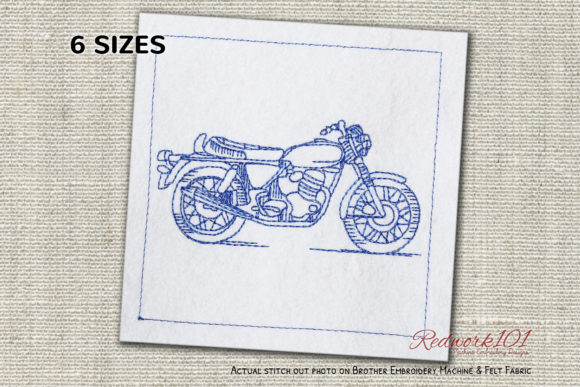
As an embroidery designer who has stitched countless vintage motorcycle motifs for custom orders, I always approach transportation-themed designs with a specific set of criteria. When evaluating the Classic Norton Commando Redwork Design available on Creative Fabrica, my first impression was one of refined nostalgia. Unlike heavy, dense fill-stitch motorcycle logos that can feel stiff or industrial, this redwork style offers a delicate, hand-drawn aesthetic. The line art captures the iconic silhouette of the Commando without overwhelming the fabric, making it feel less like a garage poster and more like a cherished heirloom. For those of us creating personalized gifts, this visual softness is crucial; it bridges the gap between rugged mechanical appreciation and elegant handmade craftsmanship.
Elevating Personalized Gifts with Vintage Charm
The true value of this machine embroidery design lies in its versatility for sentimental projects. In my studio, redwork is often the secret ingredient for transforming standard merchandise into meaningful keepsakes. Because the Classic Norton Commando Redwork Design relies on outline stitching rather than solid blocks of color, it maintains the drape and texture of the base fabric. This makes it exceptionally suitable for items where comfort matters as much as aesthetics.
I recently worked on a commission for a wedding gift involving a linen tea towel set. The groom is a dedicated vintage bike restorer, but a standard logo would have looked out of place on fine linen. This design provided the perfect solution. The single-weight thread created a sketch-like quality that felt romantic and intentional. Similarly, for baby embroidery projects, such as a nursery blanket or bib, this lighter stitch density prevents the fabric from becoming rigid. It allows you to create a custom embroidered piece that honors a parent’s passion while remaining safe and soft for an infant. Whether you are designing pillow covers for a man cave, aprons for a workshop, or tote bags for bike rallies, the redwork style ensures the finished product feels artisanal rather than mass-produced.
Navigating Optional Elements and Customization
One of the most practical features noted in the product description is the flexibility regarding the framing. The listing specifies that "The Box Stitch shown in picture is optional." As a professional digitizer and embroiderer, I appreciate this modularity immensely. In custom embroidery, context is everything. Sometimes a client wants a standalone motif centered on a pocket; other times, they need a framed design for a quilt block.
The description also notes that the color of the outer box is different in most designs unless it is part of the design itself, and suggests you can skip the color direction if desired. This is a significant time-saver for Etsy sellers and small shop owners. It means you do not have to spend hours editing the embroidery file in software to remove unwanted elements. You can simply deselect the box stitches at the machine or during the transfer process. This adaptability allows you to offer multiple variations of the same digital embroidery file to your customers, increasing the perceived value of your commercial embroidery services without extra digitizing labor.
Technical Considerations for Flawless Stitch-Outs
While redwork appears simple, it demands precision. Because there are no fill stitches to hide imperfections, your tension and stabilizer choices must be spot-on. When working with the Classic Norton Commando Redwork Design, treat it with the same respect as delicate script lettering.
- Stabilizer Selection: For textured towels or stretchy knits, use a high-quality cut-away stabilizer. Redwork lines can distort easily if the fabric shifts. A water-soluble topping is also recommended for terry cloth to prevent the stitches from sinking into the pile.
- Thread Contrast: Traditional redwork uses red thread on white, but for modern personalized gifts, consider tonal threads. A charcoal grey on navy denim or a cream on natural linen can look incredibly sophisticated. Always test thread colors against the specific fabric texture before committing to the final stitch-out.
- Hoop Size and Tension: Ensure you are using the smallest appropriate hoop size to maintain maximum fabric stability. Excessive hoop burn or slack will show up immediately in line art designs.
- Needle Choice: Use a sharp needle rather than a ballpoint for woven fabrics to ensure crisp, clean piercings. For baby clothes or stretchy materials, verify that the stitch length is appropriate to prevent puckering.
Always create a test stitch-out on similar fabric scraps. Check small details after stitching to ensure registration holds up. This step is non-negotiable for maintaining customer trust and ensuring your handmade product meets professional standards.
Building Trust Through Quality Presentation
For Etsy sellers and digital product resellers, how you present this design affects buyer engagement. The emotional value of a Classic Norton Commando gift comes from its authenticity. When photographing your finished products, avoid harsh lighting that flattens the texture. Instead, use natural light to highlight the raised texture of the redwork stitches against the fabric weave. This tactile detail communicates quality in a way that flat mockups cannot.
If you are selling the physical embroidered item, emphasize the "handmade" aspect in your listing description. Explain that the lightweight nature of the design preserves the integrity of the garment or home decor piece. For those selling printable mockups or offering custom services, showcase the design on varied backgrounds to demonstrate its range. Buyers looking for transportation-themed embroidery often fear bulky, plastic-feeling patches. By highlighting the elegance of this redwork version, you address that pain point directly and position your product as a premium alternative.
Essential Pre-Stitch Checklist for Crafters
Before you load this embroidery file into your machine for a paid order, take a moment to verify the technical specifications provided on Creative Fabrica. While the design is versatile, every machine and project is unique.
- Review License Terms: Confirm whether your purchase includes commercial rights for selling finished products or if it is limited to personal use. Licensing can vary, and protecting your business starts here.
- Check File Formats: Ensure the download includes the specific format your machine requires (PES, DST, JEF, etc.) to avoid conversion issues that might alter stitch paths.
- Verify Dimensions: Double-check the actual stitch dimensions against your intended hoop size and placement area. Do not assume the preview image represents the exact scale.
- Assess Stitch Density: Look at the stitch count provided. If it seems unusually high for a redwork design, run a simulation in your software to check for unnecessary jumps or trims.
- Confirm Color Stops: Since the box is optional, map out your color stops beforehand so you know exactly when to pause or skip sections during the embroidery process.
The Classic Norton Commando Redwork Design represents a beautiful intersection of mechanical history and textile art. It offers embroidery designers a chance to move beyond generic biker gear and create truly personalized, emotionally resonant gifts. By respecting the technical nuances of redwork and leveraging the design's customizable features, you can produce work that delights clients and stands out in a crowded marketplace. Whether for a wedding towel, a nursery blanket, or a collector’s keepsake, this design proves that even the toughest machines can be rendered with grace and warmth.