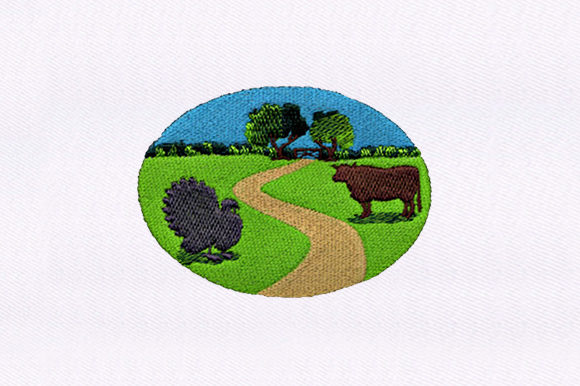
Turkey and Farm Design: An Embroidery Review
As an embroidery designer who regularly tests new files before adding them to my commercial library, I approach every machine embroidery design with a critical eye. When planning inventory for the upcoming season, specifically for clients seeking rustic or seasonal personalized gift options, the Turkey and Farm Design immediately caught my attention. Before listing any item in my shop or accepting custom orders, I run a comprehensive evaluation to ensure the digitizing quality matches the aesthetic promise. This review reflects my hands-on testing process and strategic planning for using this specific farm-themed artwork in a professional setting.
First Impressions and Emotional Appeal
Upon loading the embroidery file into my software, the first thing that stands out is the mood. The Turkey and Farm Design strikes a delicate balance between playful nostalgia and refined craftsmanship. It does not feel like a generic clip-art conversion; rather, it possesses a warmth that suggests a handmade product created with intention. The charm lies in its ability to evoke feelings of home, harvest, and family tradition without appearing overly cartoonish. For an Etsy seller or small business owner, this emotional resonance is vital. Customers are not just buying stitches; they are purchasing a memory or a feeling of comfort.
The detail level appears well-optimized for various applications. The design feels sweet yet elegant enough for adult items like kitchen textiles, while retaining enough whimsy for nursery decor. This versatility is crucial for maximizing the return on investment for a digital embroidery file. Whether the goal is a romantic autumn wedding accent or a cheerful toddler’s bib, the artwork adapts beautifully, provided the maker understands how to manipulate scale and color.
Real-World Application Scenarios
In my shop, I envision the Turkey and Farm Design serving multiple distinct customer bases. Testing requires imagining the end user. Here is how I plan to utilize this design across different product categories:
- Baby Embroidery: For nursery items, I would soften the thread colors to muted earth tones or pastels. This transforms the design from a holiday motif into a timeless farm animal theme suitable for a baby blanket or bib. The key here is ensuring the design remains soft against sensitive skin.
- Kitchen and Home Textiles: This is perhaps the strongest application. An embroidered towel or tea towel featuring this design makes an excellent hostess gift. The rustic aesthetic pairs perfectly with linen and cotton waffle weaves, elevating the perceived value of standard kitchenware.
- Wedding Gift Keepsakes: For couples marrying in late autumn or those with rural roots, this design works wonderfully on personalized aprons or tote bags used during wedding prep. It adds a layer of personal storytelling that mass-produced gifts cannot replicate.
- Craft Fair Inventory: As a small shop product, pillow covers stitched with this design can serve as high-margin seasonal decor. The visual impact from a distance is strong, making it ideal for booth displays where quick recognition drives sales.
Navigating Fabric Challenges and Technical Limits
While the Turkey and Farm Design is versatile, my testing revealed specific areas where caution is necessary. Not every fabric is a suitable canvas, and understanding these limitations prevents wasted materials and unhappy customers.
Textured and Thick Fabrics: If you are stitching on terry cloth towels or plush blankets, the fine details of the turkey’s feathers or farm elements may get lost. During my test on a thick terry towel, I found that increasing the underlay and potentially simplifying small text elements was necessary. Always check the stitch density; if it is too low for the fabric texture, the design will sink. Conversely, if it is too high, it may cause puckering or needle breaks.
Stretchy Baby Clothes: When applying this to onesies or stretchy knits, stabilization is non-negotiable. I recommend using a cut-away stabilizer rather than tear-away to prevent distortion over time. The design must be hooped carefully to avoid stretching the garment, which results in misalignment once removed from the hoop.
Small Lettering and Details: If the design includes personalized names or small script, verify the legibility at reduced sizes. During resizing tests, I noted that dropping below a certain threshold compromises stitch clarity. For custom embroidery orders requiring tiny text, consider pairing this design with a separate, specialized font file optimized for micro-stitching rather than forcing a resize that degrades quality.
Enhancing Perceived Value and Customer Trust
The success of a finished product relies heavily on presentation. The Turkey and Farm Design contributes significantly to perceived value when executed correctly. High-quality stitching signals professionalism. When customers see clean registration, appropriate thread sheen, and thoughtful color choices, their trust in your brand increases. This is particularly important for commercial embroidery businesses where repeat clientele depends on consistency.
Photography plays a massive role here. I always create a printable mockup or digital preview for listings, but nothing replaces photographing the actual stitched sample. Showcasing the design on a draped linen napkin or a styled nursery shelf helps buyers visualize the item in their own lives. Highlighting the texture of the stitches in close-up shots reinforces the handmade quality that justifies premium pricing. For digital sellers offering the file itself, providing accurate color charts and clear format lists (this design includes 10O, ART, CND, DSB, DST, DSZ, EXP, HUS, JEF, PCS, PEC, PES, TAP, VIP, VP3, XXX) reduces pre-sale questions and builds buyer confidence.
Essential Pre-Stitch Checklist for Makers
Before running the Turkey and Farm Design on a final product, I adhere to a strict testing protocol. I strongly advise fellow makers and shop owners to follow these steps:
- Verify Hoop Size: Confirm the physical dimensions of the design against your machine’s maximum embroidery area. Do not assume compatibility without measuring.
- Test on Scrap Fabric: Never stitch directly on a sellable item first. Use a scrap of the exact material and stabilizer combination intended for the final piece.
- Check Thread Contrast: Evaluate visibility on both light and dark fabrics. A design that pops on cream linen might disappear on navy denim. Adjust thread palette accordingly.
- Review Stabilizer Choice: Match the stabilizer weight to the fabric drape. Heavy designs on lightweight fabrics require robust support to prevent sagging.
- Confirm Licensing: Before selling finished goods or marketing the design, review the specific license terms provided by the digitizer. Ensure your intended use aligns with commercial permissions.
- Inspect Small Details: After the test stitch-out, examine intricate areas closely. Look for gaps, loops, or tension issues that might require editing or parameter adjustments.
Final Thoughts for Business Growth
The Turkey and Farm Design represents a valuable asset for embroidery professionals targeting the seasonal and rustic niche. Its strength lies in its adaptability—from blanket embroidery for newborns to sophisticated kitchen textiles for adults. By respecting technical constraints regarding fabric texture and stabilization, makers can produce heirloom-quality items that resonate deeply with buyers.
For wedding gift designers and Etsy sellers, this file offers a pathway to create unique, story-driven products that stand out in a saturated market. Remember that the value of a personalized gift is measured not just in stitch count, but in the care taken during execution. Test thoroughly, photograph authentically, and let the inherent charm of this farm-inspired artwork connect your craft with customers seeking meaningful, tangible beauty. Whether you are creating a custom tote bag or a digital download listing, approaching this design with professional diligence ensures it becomes a staple in your profitable product lineup.