Monotone Bee: A Designer’s Sweatshirt Review
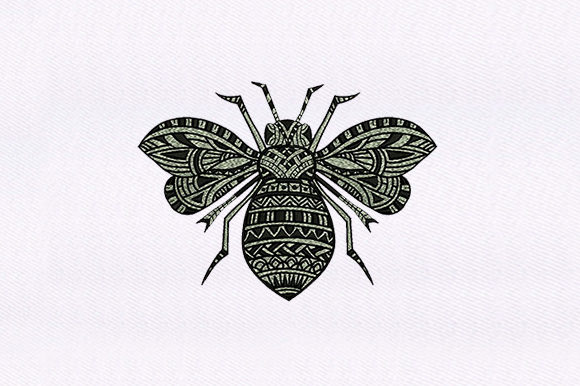
As an embroidery designer preparing for a seasonal boutique drop, selecting the right artwork is about more than just aesthetics; it is about technical viability and brand alignment. When evaluating the Monotone Bee machine embroidery design for a premium sweatshirt collection, I am looking at how this mandala-inspired motif translates from screen to fabric. For small clothing brands and Etsy sellers, the difference between a generic craft project and a high-value commercial product often lies in these initial design assessments. This review breaks down my professional evaluation of Monotone Bee as a candidate for neutral hoodies, oversized apparel, and custom merchandise.
First Impressions and Design Personality
The immediate appeal of Monotone Bee lies in its versatility. In the world of commercial embroidery, complex multi-color designs can sometimes limit inventory planning due to thread change times and color matching constraints. A monotone approach solves this while adding a layer of sophistication. Upon reviewing the digital file, the design strikes a balance between rustic charm and modern minimalism. It does not feel overly cutesy or juvenile, which is crucial when targeting an adult demographic shopping for cozy seasonal apparel.
The mandala structure provides a geometric framework that feels intentional and decorative rather than chaotic. For a boutique brand, this suggests a premium handmade product rather than mass-produced fast fashion. The stitching personality appears balanced; it has enough detail to be visually interesting on camera for lifestyle product photography, yet it retains enough negative space to prevent the fabric from becoming stiff. This "breathability" in the design is essential for maintaining the drape and comfort of high-quality fleece or French terry fabrics.
Technical Viability for Sweatshirt Embroidery
When moving from concept to production, technical concerns take precedence. Sweatshirt embroidery presents unique challenges due to fabric texture and pile. Here is my assessment of Monotone Bee for commercial application:
- Stitch Density and Fabric Texture: Fleece and hoodie materials are thick and textured. A design with too high a stitch density can cause puckering or create a bulletproof patch effect. Monotone Bee appears optimized for knits, likely utilizing satin stitches for outlines and fill stitches that allow the fabric to move. Always run a test stitch-out on your specific garment weight before bulk production.
- Stabilizer Selection: Because this is a mandala style with radial symmetry, registration is key. If the stabilizer shifts, the geometric lines will look warped. For this design on heavy sweatshirts, I recommend a medium-weight cutaway stabilizer fused with temporary spray adhesive. Topping may also be necessary if you are embroidering on high-pile fleece to ensure the monotone thread sits cleanly on top of the fabric nap.
- Hoop Size and Placement: Verify your hoop size against the actual dimensions of the embroidery file before purchasing. For chest placement on an oversized hoodie, centering is critical. A design that is too small gets lost on a large garment, while one that is too large can distort near the seams. Monotone Bee seems scalable, but always check the minimum recommended size to maintain legibility of the bee details within the mandala.
- Thread Color Contrast: While the design is monotone, contrast dictates visibility. On a dark charcoal sweatshirt, a cream or gold thread will make the mandala pop. On a pastel pink or sage green base, a darker tone like espresso or slate creates a subtle, tonal luxury effect. This flexibility allows Etsy sellers to offer multiple colorways using the same digital embroidery file.
Commercial Applications and Brand Identity
For creative entrepreneurs, every design asset must serve the broader business goal. Monotone Bee functions exceptionally well across various product categories beyond just the standard crewneck.
Versatile Placement Strategies
The symmetry of this mandala design opens up unique placement opportunities that elevate custom apparel branding:
- Center Chest: The classic placement for boutique merchandise. It serves as the primary focal point and is ideal for printable mockup previews on social media.
- Sleeve Accents: Scaled down, Monotone Bee works beautifully as a wrist cuff accent or upper arm badge, adding value to the garment without increasing production time significantly.
- Back Yoke: Placing a smaller version at the nape of the neck adds a surprise detail that signals high-end craftsmanship to the buyer.
- Tonal Branding: Using a thread color that matches the sweatshirt exactly creates an embossed effect. This is highly effective for minimalist brands where the texture of the embroidery matters more than color contrast.
Impact on Product Value and Buyer Trust
In the competitive landscape of digital sellers and handmade businesses, presentation is everything. A well-executed Monotone Bee design communicates professionalism. When customers see clean registration, appropriate sizing, and thoughtful color pairing, their trust in the shop increases. This design avoids the cluttered look of amateur digitizing, which helps justify higher price points for finished products.
Furthermore, because the design is available in extensive formats including 10O, ART, CND, DSB, DST, DSZ, EXP, HUS, JEF, PCS, PEC, PES, TAP, VIP, VP3, and XXX, it ensures compatibility across almost all commercial and home machines. This universality is vital for shops that may use multi-needle machines for production but need to send files to contract embroiderers who might use different equipment.
Practical Considerations for Small Shop Owners
Before adding Monotone Bee to your next collection, consider the logistics of your specific workflow. While the file formats are comprehensive, you must verify the physical dimensions and stitch count within your software. Never assume a design fits your hoop or garment area based solely on the thumbnail image.
Washing Durability: Boutique customers expect longevity. Ensure your stitch-out tests include a wash cycle. Monotone designs can sometimes show lint or pilling more easily than multi-colored ones if the stitch tension is off. Proper stabilization during the embroidery process is the best insurance against post-wash distortion.
Mockups vs. Reality: Digital mockups are essential for Etsy listings, but they can be deceiving. The flat vector look of a digital file does not capture the sheen of rayon thread or the matte finish of polyester. I strongly advise stitching a sample on your actual blank sweatshirt before listing. Photographing the real texture builds authenticity and reduces return rates caused by unmet expectations.
Final Verdict for Boutique Collections
Monotone Bee represents a strong contender for small business owners focusing on quality over quantity. Its mandala aesthetic bridges the gap between boho-rustic and contemporary minimal, making it suitable for a wide range of apparel decorators. Whether you are creating a limited capsule collection of oversized hoodies or expanding your everyday basics line, this design offers the visual weight and technical adaptability required for commercial success.
By paying attention to stabilizer choices, thread contrast, and proper scaling, you can transform this digital embroidery file into a signature piece for your brand. Remember to always respect licensing terms and verify technical specifications before beginning production. With the right execution, Monotone Bee has the potential to become a best-seller in your handmade product lineup, driving engagement through its timeless, textured appeal.